March Deer Hunting Checklist: Prep Tips That Win in Fall
March is quietly the most important month in the whitetail hunting calendar — and most hunters waste it entirely. In this comprehensive guide, wildlife biologist and Navy veteran breaks down the complete March deer hunting checklist covering shed hunting and winter range mapping, trail camera repositioning strategy, early spring scouting, food plot soil testing and planting timelines, stand and blind maintenance, access route improvements, and habitat management priorities that directly impact fall hunting success. Every item on this list is grounded in whitetail biology and 30 years of hands-on experience in the Southern deer woods — not recycled internet advice or campfire guesswork. If you want to kill a mature buck this fall, the work starts now. Science. Strategy. Execution. Hooyah.
Allen
3/16/20264 min read
March sets the tone for fall — and yes, that includes the boring stuff nobody brags about at the range. If you're serious about having a great fall in the deer woods, March is not the month to sit back and forget about hunting season. At the end of the day, what deer hunters should be doing in March comes down to one word: intentionality."
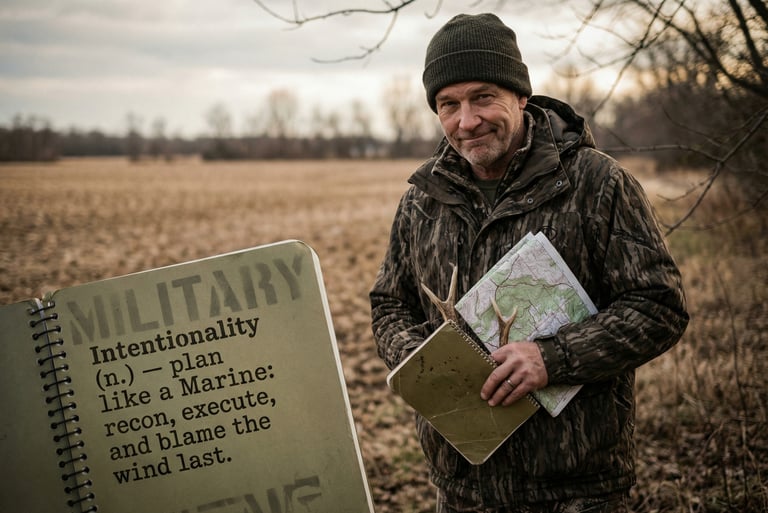
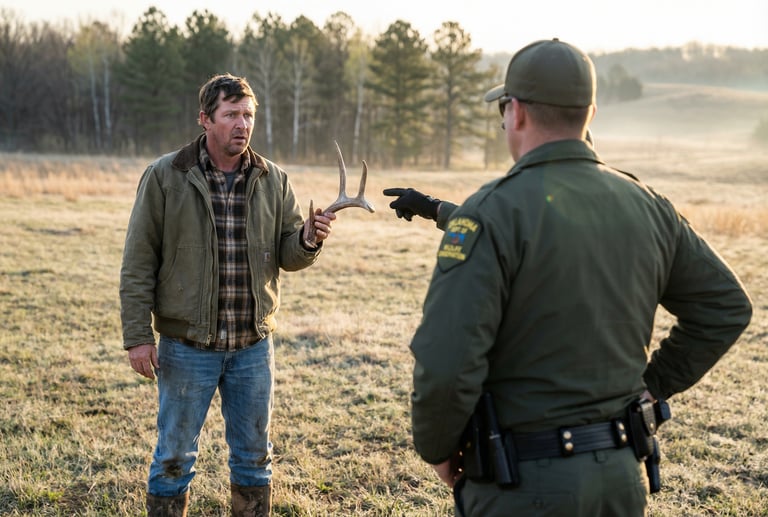
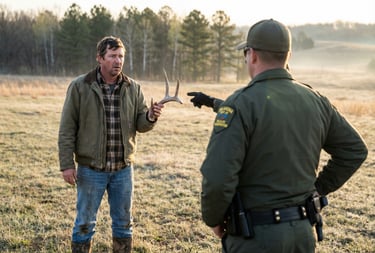
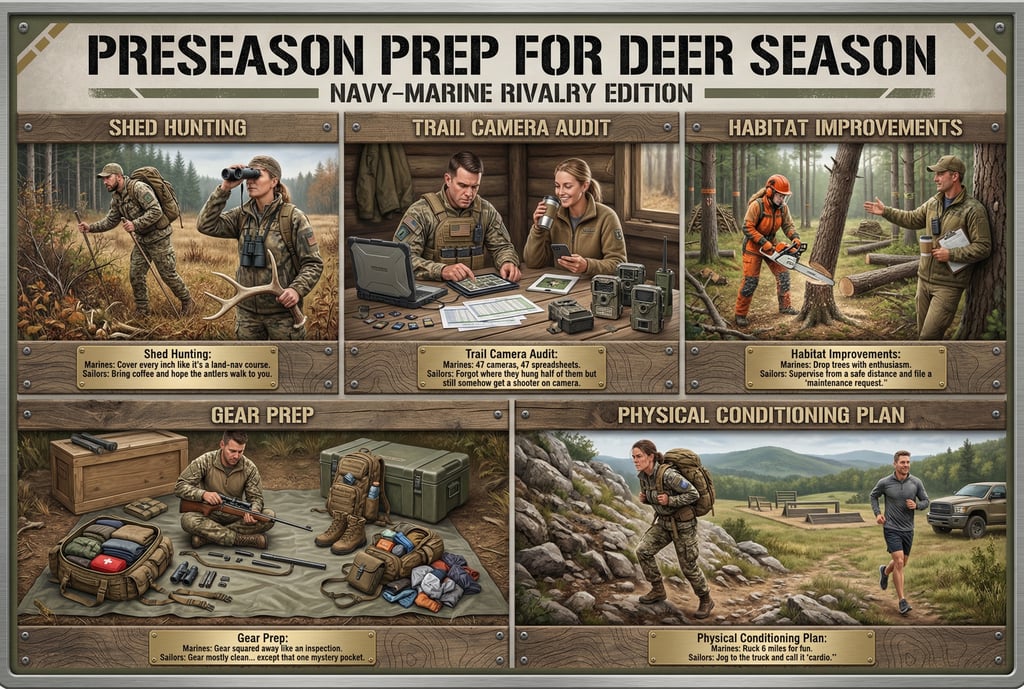
• Shed hunt & postseason scout — Walk bedding areas, transition zones, rub lines, scrapes, and trails; find the bucks that made it through winter and where they’re bedding. Take notes and drop pins. Think of shed hunting like a recon patrol — except the enemy left trophies behind and you don’t have to carry a radio. A short public service message to keep you out of trouble: Shed‑hunting laws vary by state — some places ban or seasonally restrict antler collection (for example, Colorado, Wyoming, and Utah have area‑ or date‑based closures and permit rules, and West Virginia has long enforced strict possession rules) — so always check your state DNR and land‑owner rules before picking up antlers.
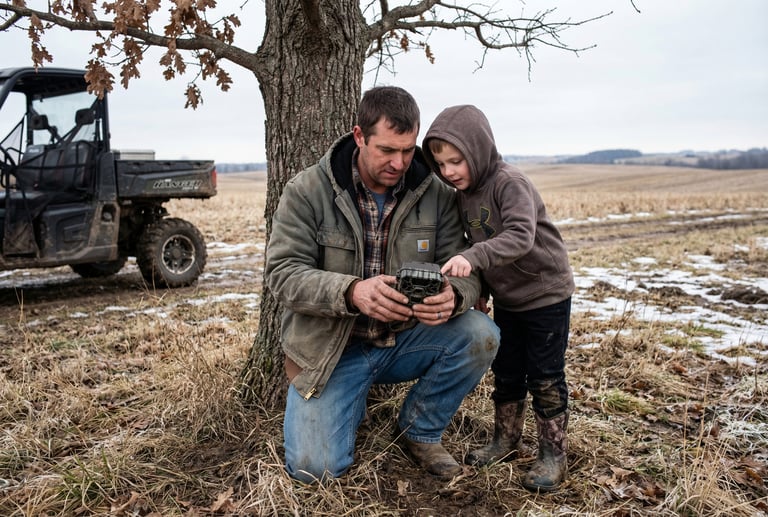
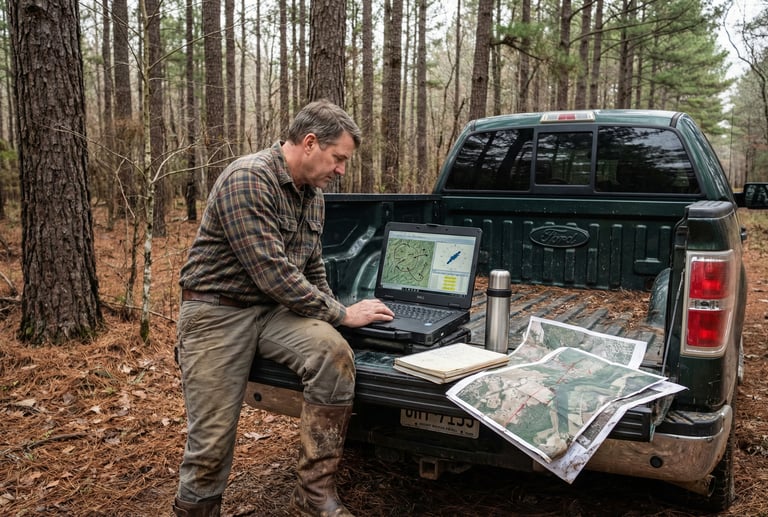
• Trail cameras — Redeploy over late‑winter food or legal mineral sites, check straps, batteries, memory cards and firmware; test angles now so you don’t learn the hard way in October. If your trail cam gives you pictures of a random tree stump in October, it’s like showing up to inspection with a missing bootlace.
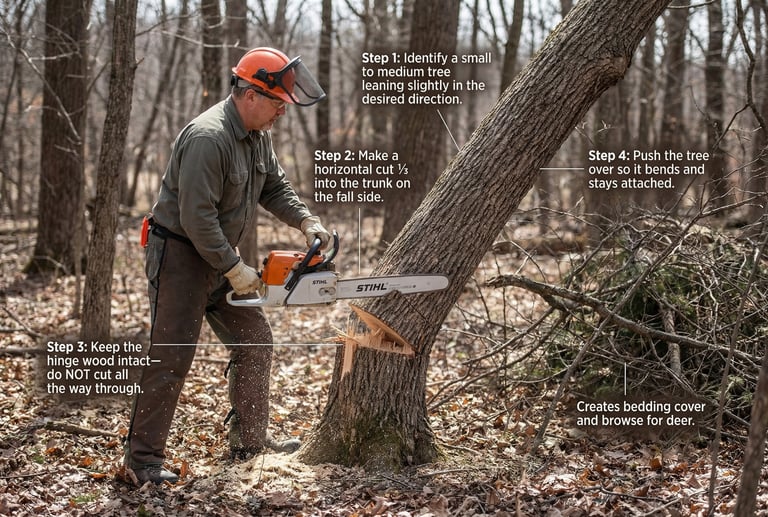
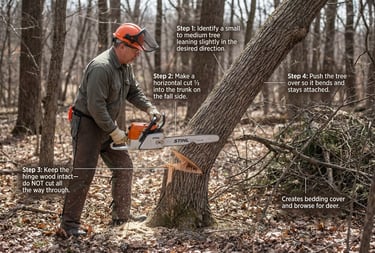
• Habitat work — Hinge‑cut select trees for bedding, clear lanes, fix overgrown access, and plan food‑plot soil tests now. Good plots are built months ahead. Hinge cutting: the only time you can legally play lumberjack and call it conservation.
• Gear maintenance — Inspect bows (strings, broadheads), check rifle mounts and zero, replace worn boots, and spread purchases across months. Replace that scope mount before you blame the deer for your bad shot.
• Get in shape — Start walking, build endurance, and strengthen back/legs so dragging a buck doesn’t feel like a PFT from boot camp. Think of March conditioning as rucking practice for the “deer-haul” Olympics.
• Reflect & plan — Review last season’s hotspots, wind mistakes, and camera timestamps; move stands based on evidence, not ego. The deer don’t care about your feelings — they care about food, cover, and wind.
How to make each task actually productive (what to do, why it matters, quick how‑to)
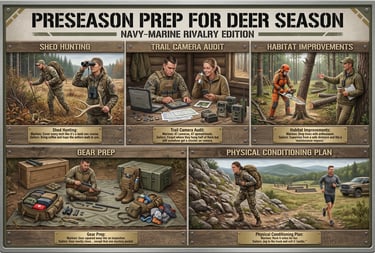
• Shed hunting / scouting — What: Walk bedding edges, funnels, and pinch points. Why: Confirms which bucks survived and reveals travel corridors. How: Use a GPS app to drop pins, photograph sign, and log notes immediately.
• Trail camera audit — What: Redeploy or test cameras. Why: Early spring is low pressure — perfect to validate locations and settings. How: Replace batteries, format memory cards, update firmware, and run a 48‑hour test to confirm triggers and angles.
• Habitat improvements — What: Hinge cut small trees, clear lanes, and map invasive patches. Why: You can see structure before green‑up and create bedding/approach advantages. How: Mark trees to hinge, use proper tools and PPE, and avoid overcutting; plan food‑plot soil sampling now. Another public service message to keep you out of trouble: make sure your state laws permit this or that you have private landowner permission before proceeding. Saying “I told you to” is like following you phone GPS down an abandoned gravel road without checking your route in advance.
• Gear prep — What: Bow restring, broadhead tune, rifle cleaning and zero check. Why: Prevents last‑minute failures and spreads cost. How: Schedule a shop visit for complex work; do basic inspections at home and list replacements. Keep a lookout for clearance hunting items throughout the year and shop special sales. Veterans don't forget to ask for that military discount. Asked for a military discount on hunting gear; the clerk said, “Are you active?” I said, “Only during deer season.” Don’t forget to check Facebook marketplace and Ebay to scoop up gear at a steep discount, you know there's always those hunters that have to upgrade to the latest and greatest each year. Use this to your advantage and score some great gear on the cheap!
• Conditioning plan — What: Walk 3–5 times/week, add weighted pack hikes and core/back strength work. Why: Makes packing meat and long sits easier. How: Start with 30–45 minute walks, add hill repeats and a weekly ruck with 20–30 lb. pack.
Contact
Questions? Tactical tips? Reach out anytime.
hello@biologistonbucks.com
© 2025. All rights reserved.
Attention on Deck — Image Disclaimer
The deer images on this site are a mix of AI-generated imagery and real photos taken by me personally in the field and deer woods of the Southern United States. I'm a wildlife biologist and a hunter, not a photographer. Much like the Navy taught me, you use the best available asset for the mission. A camera and a whitetail buck operate on completely different schedules, and unlike the Marines, I'm smart enough not to fight a battle I can't win.
When you see a photo tagged "Field Image" — that one's the real deal, straight from the woods. The rest are AI-generated and proud of it. Either way, the science is real, the strategies are real, and the deer in every photo represent exactly what we're all out there chasing every fall.
Hooyah. Carry on.