
Stop Guessing: How to Read Deer Sign (Tracks, Scrapes, Beds, Trails Explained)
Whitetail deer leave a detailed biological record everywhere they go — and most hunters only scratch the surface of what that sign is actually communicating. In this in-depth guide, wildlife biologist and Navy veteran breaks down how to read deer tracks for size, direction, gait, and freshness; what scrape locations and licking branch activity reveal about buck home range and breeding behavior; how to interpret bed size, placement, and thermal orientation to pinpoint core use areas; and how to distinguish between low-pressure travel corridors and high-pressure escape routes using trail structure alone. Every piece of sign in the woods is a data point. Stack them together and you stop guessing and start hunting with genuine intelligence. Thirty years in the Southern deer woods, zero campfire mythology. Science. Fieldcraft. Results. Hooyah.
Allen
5/8/202418 min read
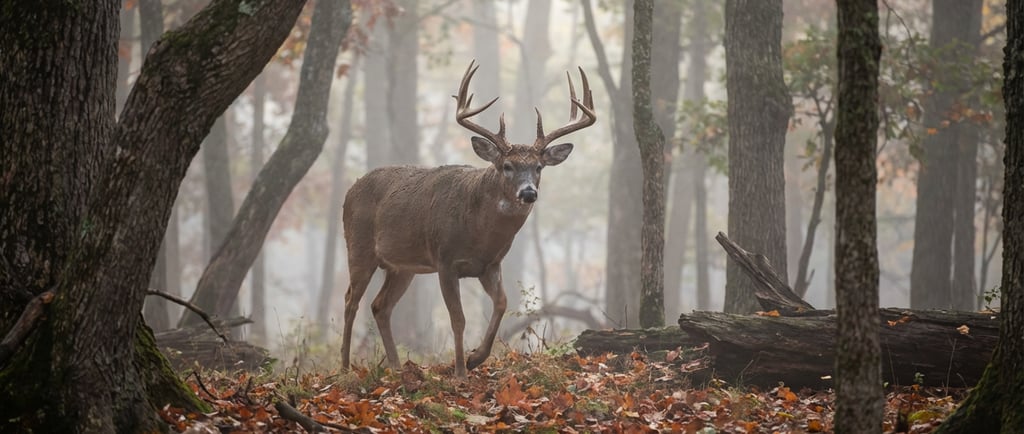
Stop guessing and start scouting with purpose. This tactical guide breaks down how to identify and interpret deer tracks, scrapes, bedding areas, and trails so you can make smarter stand and scouting decisions.
Not every piece of deer sign deserves your attention, and that’s one of the biggest lessons hunters learn as they move from casual observation to intentional scouting. A clearing littered with tracks, rubs, and scrapes can look promising at first glance, but if all of that activity happened weeks ago, it won’t help you fill a tag today. Deer movement is fluid and highly responsive to food availability, pressure, weather, and breeding cycles. That means yesterday’s hotspot can be today’s ghost town. Effective scouting is less about the amount of sign and more about the timing of it.
Fresh sign is what tells you a deer was here recently—and may still be nearby. Fresh sign = intel. Treat it like recon: if it’s recent, move fast; if it’s old, file it under ‘lessons learned.’ Tracks with crisp, sharp edges indicate that the soil hasn’t had time to dry, crumble, or be softened by wind and rain. Moist soil or mud that still holds a sheen is another giveaway that the animal passed through within hours, not days. Leaves that look freshly kicked aside, still showing bright undersides or damp patches, point to very recent movement. And when it comes to scrapes and rubs, scent is a powerful indicator. A strong, musky odor from a scrape or a freshly peeled rub means a buck has been actively maintaining that communication hub, often returning multiple times within a short window.
In contrast, old sign tells a very different story. Tracks that have slumped, rounded edges or are filled with debris have been sitting long enough to lose their definition. Scrapes that look dry, crusted, or leaf-filled haven’t been tended in a while. Rubs that appear dull, weathered, or darkened show that the bark has been exposed for weeks or months. These clues aren’t useless—they can help you understand historical patterns or seasonal travel routes—but they won’t guide your next sit.
The key is learning to separate “interesting” sign from “actionable” sign. Old sign can teach you about the general habits of deer in the area, but fresh sign is what tells you where to hunt right now. When you train your eye to recognize the difference, your scouting becomes more efficient, your setups become more strategic, and your time in the woods becomes far more productive.
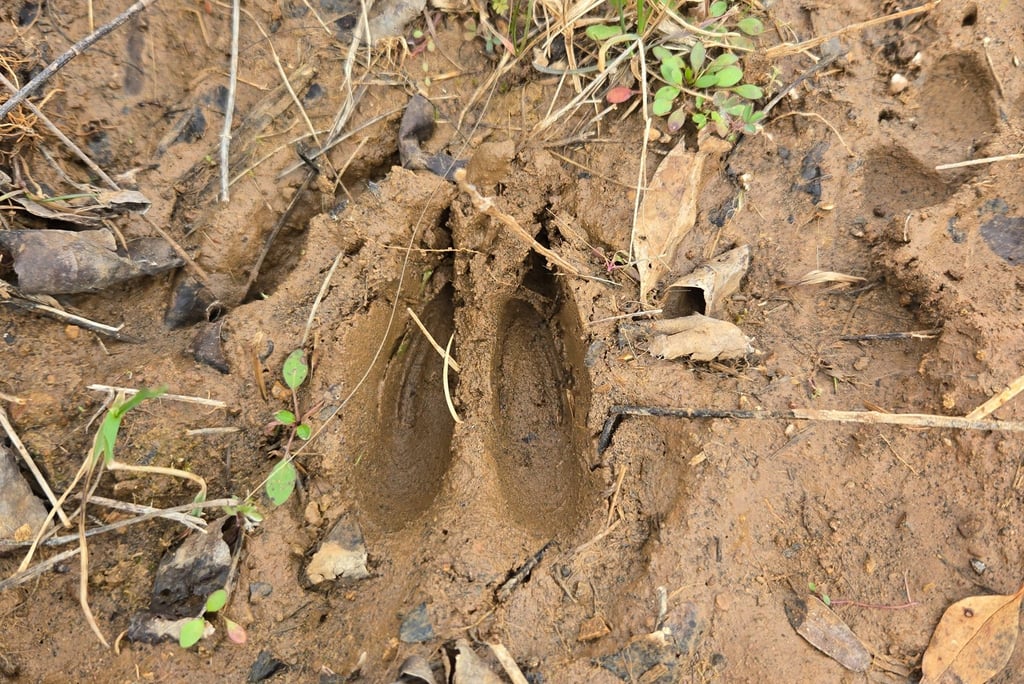
Tracks found in soft soil, mud, snow, or sand are the most readable.
Field Image
Field Image
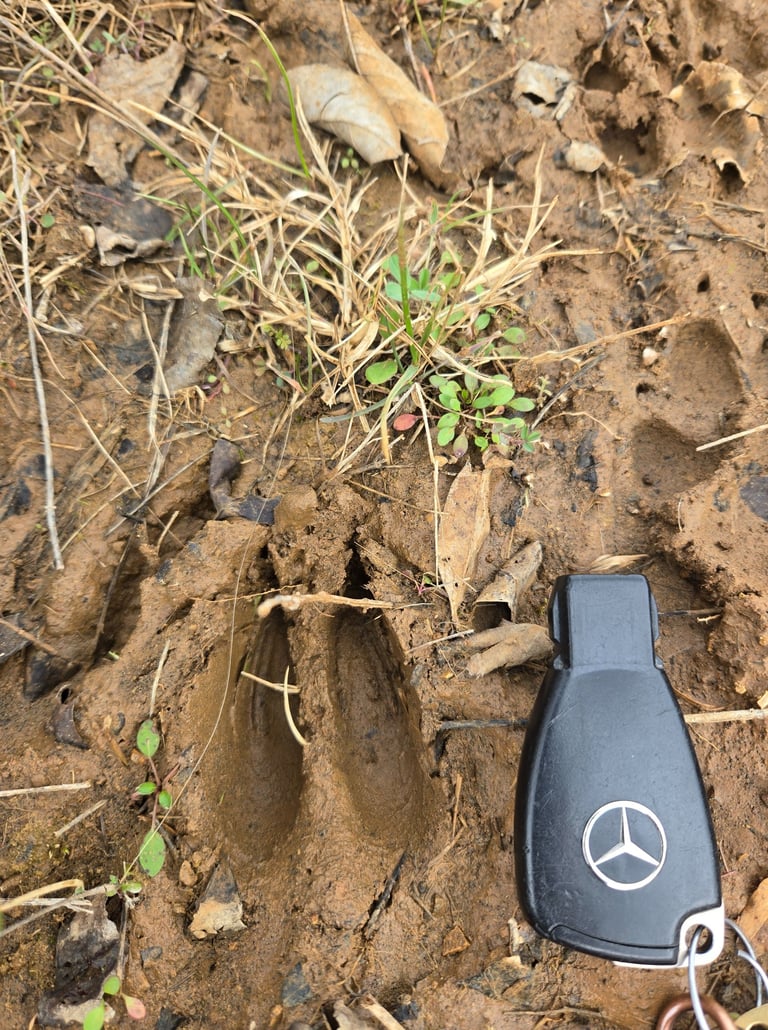
Identifying deer tracks correctly is one of the most fundamental skills a hunter or wildlife observer can develop. If you can’t tell a track from a boot print, you’ve still got time to graduate from field school. A classic deer track is made up of two pointed hooves that create a clean, heart‑shaped print. The split down the center—called the interdigital cleft—is usually visible and helps distinguish deer from livestock or other hoofed animals. When the ground is soft enough, you can often see even more detail, such as the slight taper of each toe or the subtle splay that occurs when a deer is moving quickly or navigating uneven terrain. These small features help confirm that what you’re looking at truly belongs to a deer.
Once you’ve identified the basic shape, the next step is interpreting what the track can tell you about the animal that made it. Size is one of the most commonly used indicators. Larger tracks often belong to mature bucks, whose hooves tend to be wider and longer than those of does or younger deer. While size alone isn’t a perfect measure—soil type and moisture can exaggerate or shrink a print—it’s still a useful clue when combined with other evidence. Depth is another important variable. A deeper impression usually means a heavier deer, especially when the soil conditions are consistent across the area. Bucks, particularly during the rut when they’re carrying more muscle mass, often leave noticeably deeper tracks than does.
Stride length adds yet another layer of information. A longer stride typically indicates a larger-bodied deer or one that was moving with purpose—walking steadily, trotting, or even bounding. Observing the spacing between tracks can help you determine not just the size of the deer but also its behavior at the time. A relaxed walking pattern suggests normal travel, while an extended stride may point to alertness, pursuit, or escape. Long stride = purposeful movement. Short stride = casual patrol. Either way, don’t be the loud one on the trail.
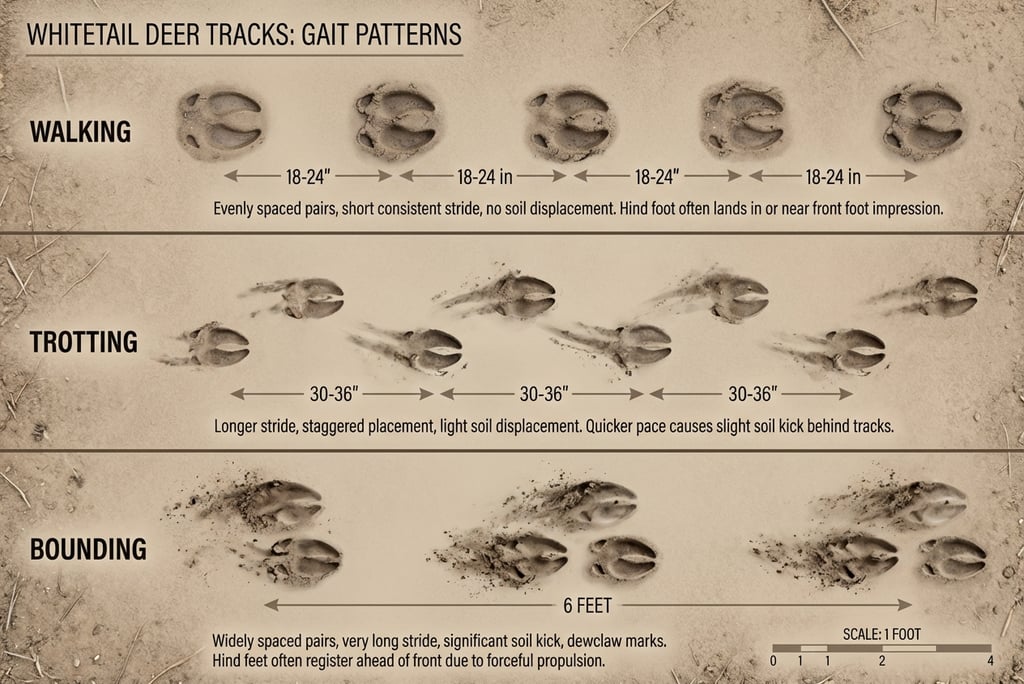
Tracks are easiest to read in soft, impressionable substrates such as mud, snow, sand, or freshly worked soil. These surfaces capture the fine details that harder ground often obscures. In ideal conditions, you can see the sharp edges of the hooves, the depth of the print, and even subtle drag marks or dewclaw impressions. Learning to recognize these details—and understanding what they reveal—turns a simple footprint into a story about the deer’s size, movement, and recent activity.
Interpreting the direction and movement of deer tracks adds an entirely new layer of understanding to your scouting. Tracks don’t just show where a deer was—they reveal how it was moving and why. By studying the orientation of the hooves, you can determine the direction of travel with surprising accuracy. The pointed tips of the hooves indicate the forward motion, and subtle differences in soil displacement can show whether the deer was moving cautiously, confidently, or in a hurry. When you combine direction with stride length and track spacing, you begin to see the deer’s behavior unfold like a story written on the ground.
Speed is one of the easiest behaviors to interpret once you know what to look for. A walking deer leaves evenly spaced tracks with a predictable rhythm. The prints are usually clean and well‑defined because the animal is placing its feet carefully. When a deer begins to trot or run, the stride length increases noticeably, and the tracks may show more soil kicked up behind the hooves. In some cases, you’ll even see dewclaw marks, which appear when a deer is moving fast or bounding. These clues help you determine whether the deer was relaxed, alert, or fleeing from something.
Confidence level is another subtle but valuable insight. A calm deer typically travels in a straight or gently curving line, conserving energy and moving with purpose. The spacing between tracks remains consistent, and the surrounding leaves or soil show minimal disturbance. This kind of movement often indicates routine travel—heading to bedding, feeding, or water. When you find tracks like these, you’re likely looking at a predictable pattern you can use to your advantage.
A pressured or spooked deer, on the other hand, leaves a very different signature. The tracks may zigzag, angle sharply, or appear erratic as the deer reacts to danger. Stride length increases, sometimes dramatically, and the prints may be deeper from the force of rapid movement. Signs of bounding—widely spaced pairs of tracks, heavy rear‑hoof impressions, or scattered debris—suggest the deer was fleeing at high speed. These patterns can help you identify areas of heavy hunting pressure, predator activity, or recent disturbances that may influence where deer are willing to travel.
Learning to read direction and movement transforms tracks from simple footprints into behavioral clues. With practice, you’ll start to recognize not just where a deer went, but what it was thinking and feeling as it moved through the landscape.
Distinguishing buck tracks from doe tracks is never an exact science, but there are patterns that experienced hunters learn to recognize. Bucks, especially mature ones, tend to carry more body mass and muscle, which influences the way their hooves register in the soil. One of the first clues is stance width. Bucks often walk with a noticeably wider stance than does, creating tracks that sit farther apart from left to right. This wider base supports their heavier frame and can be especially obvious when the deer is moving slowly or navigating uneven terrain.
Toe shape is another subtle but useful indicator. Mature bucks frequently show blunter or more rounded toe tips compared to the sharper, more pointed tracks left by does and younger deer. Years of carrying extra weight and traveling through rugged habitat can wear down the tips of a buck’s hooves, giving them that rounded appearance. In soft soil or mud, this difference becomes even more pronounced, making it easier to distinguish between the two.
Depth is also a meaningful variable. Because bucks are heavier, their tracks often sink deeper into the ground, especially in soft substrates like mud, snow, or sand. A deep, well‑defined print can suggest a large-bodied deer, though it’s important to consider soil conditions—wet or loose ground can exaggerate depth for any deer. Still, when deeper impressions are paired with a wider stance and rounded toe tips, the evidence begins to point more confidently toward a buck.
Even with these clues, tracks alone can’t guarantee that a shooter buck is in the area. They’re just one piece of the puzzle. When you combine track characteristics with other sign—fresh rubs, active scrapes, large droppings, or trail‑camera intel—you start to build a clearer picture of the deer using that habitat. The real value comes from layering these observations together, allowing you to make smarter decisions about where to scout, where to set up, and how to time your hunts.
Scrapes are deer comms — think of them as field briefings with less coffee and more musk. Buck scrapes are one of the most important pieces of sign you can find in the woods because they function as communication hubs for the entire deer herd. When a buck makes a scrape, he’s not just tearing up the ground—he’s leaving a message. The process starts with pawing away leaves, grass, and topsoil to expose fresh earth. This bare patch becomes the “billboard” where scent can linger. Bucks then urinate over their tarsal glands, letting the urine run down their legs and into the scrape. This deposits a potent mix of hormones and individual scent markers that other deer can easily interpret. Above the scrape, the buck works an overhanging branch—called a licking branch—by rubbing his forehead, preorbital glands, and sometimes even lightly chewing it. This adds another layer of scent and completes the communication station.
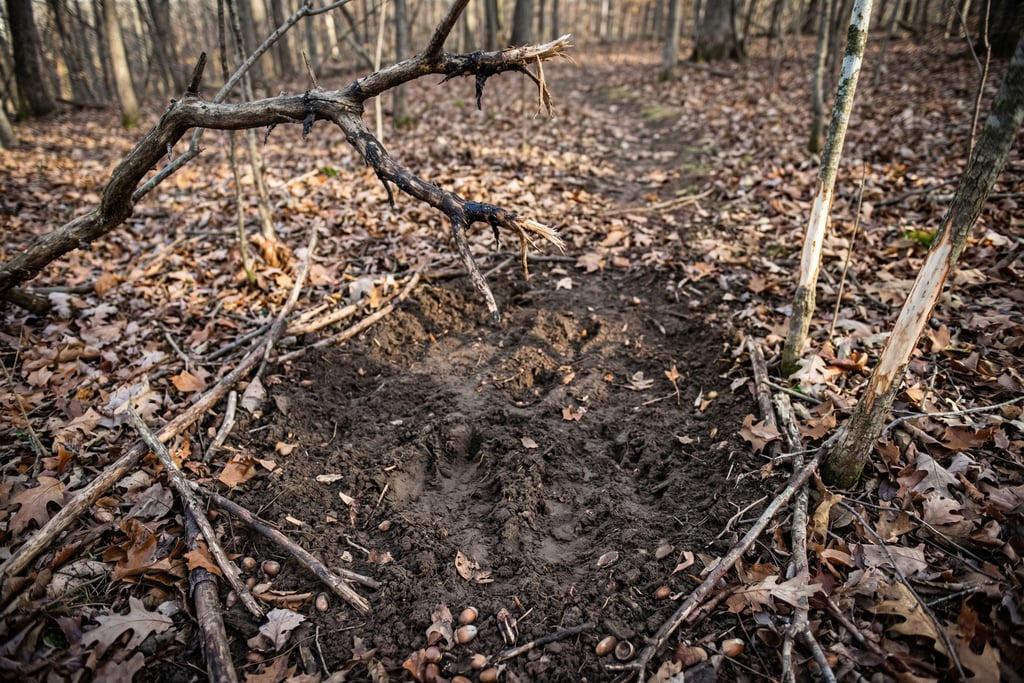
These behaviors aren’t random. Every part of the scrape-building process is designed to broadcast information. The scent on the ground tells other bucks who is in the area and how recently he visited. The licking branch holds scent much longer and is used by both bucks and does, making it a shared communication point. During the pre-rut and rut, these branches become especially active, with multiple deer visiting and leaving their own scent signatures. This is why a fresh, active scrape can be such a high-value find for hunters—it’s a place where deer intentionally return.
Scrapes serve two primary purposes in a buck’s world. First, they signal dominance. A mature buck uses scrapes to establish territory and communicate his status to rivals. The stronger and more frequent the scent, the clearer the message: “I’m here, and I’m in charge.” Younger bucks often approach these scrapes cautiously, reading the scent before deciding whether to challenge or avoid the area. This dominance signaling helps reduce unnecessary conflict and organizes the social structure of the herd.
The second purpose is monitoring doe activity. Does frequently visit licking branches, especially as they approach estrus. Their scent provides valuable information to bucks about reproductive timing. A buck checking his scrape line can quickly determine which does are nearing readiness and adjust his movements accordingly. This is why scrape activity often spikes just before peak rut—bucks are actively gathering intel. For hunters, understanding this behavior means recognizing that scrapes aren’t just random disturbances in the leaves; they’re strategic communication centers that reveal how deer are interacting across the landscape.
Scrapes fall into two broad categories—primary and secondary—and understanding the difference can dramatically improve how you scout and where you choose to hunt. Primary scrapes are the carrier strike group — everything orbits them. Secondary scrapes are the patrol boats. Primary scrapes are the heavy hitters. These are the large, well‑worn scrapes positioned along major travel routes such as field edges, creek crossings, ridge lines, or the downwind sides of bedding areas. Because they sit in high‑traffic zones, they’re revisited frequently by multiple deer. Bucks check them to monitor doe activity and to see which other bucks are in the area, while does often visit the licking branches above them. The consistent traffic makes primary scrapes reliable indicators of current deer movement, especially during the pre‑rut and rut.
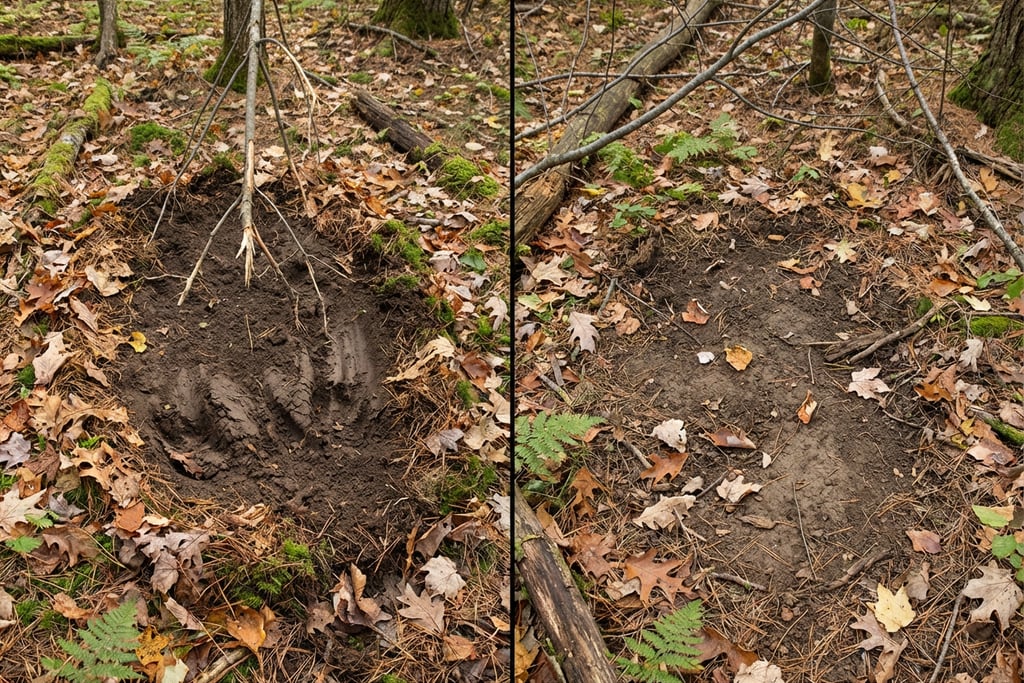
Secondary scrapes, on the other hand, are much smaller and far less predictable. These are often created on a whim—maybe a young buck feeling bold, or a mature buck pausing briefly while cruising. They tend to appear in random spots: off to the side of a trail, near a staging area, or in places where deer don’t consistently travel. Many secondary scrapes are one‑time events, scratched out and never revisited. Even when they do see repeat use, the activity is sporadic and doesn’t offer the same level of insight into herd behavior.
For hunters, the distinction matters. Primary scrapes are far more valuable for building a hunting setup because they represent ongoing communication and consistent deer traffic. They’re the places where bucks expect to encounter scent from does and rivals, making them natural checkpoints during the rut. Secondary scrapes, while interesting, rarely justify a stand location on their own. By learning to recognize which scrapes are truly active and which are just noise, you can focus your time and effort where it counts—right in the flow of real deer movement.
Scrapes are at their highest value to hunters during the pre‑rut and early rut, when bucks are actively laying down sign and checking for receptive does. In the pre‑rut, bucks are establishing dominance, freshening old scrapes, and creating new ones along their travel routes. This is the phase when scrape lines light up almost overnight, and the frequency of visits increases dramatically. Bucks are still patternable during this window, making active scrapes one of the best indicators of where they’re spending their time.
During the early rut, scrapes remain important as bucks continue monitoring doe activity. They’ll revisit primary scrapes regularly, often both day and night, to check scent on the licking branches and the ground. This is the period when a well‑placed stand near a primary scrape can produce daylight encounters, especially on cold fronts or calm mornings. The communication happening at these scrapes is constant, and bucks rely on them to gather information before the chaos of peak rut begins.
Once the rut reaches full intensity, however, scrape activity drops sharply. Bucks shift from checking sign to actively chasing and tending does. Their movements become less predictable, and they spend far less time revisiting scrapes. A scrape that was hot a week earlier may go completely cold as bucks focus on breeding rather than communication. This doesn’t make scrapes irrelevant—it simply means their usefulness changes.
The real value of scrapes lies in what they reveal about deer movement and behavior, not in their ability to produce a guaranteed shot opportunity. Scrapes help you identify travel corridors, buck home ranges, and areas where deer feel comfortable lingering. They’re excellent location indicators—clues that point you toward productive terrain. But relying on a scrape as a kill spot, especially during peak rut, can lead to frustration. When you treat scrapes as part of a larger pattern rather than a standalone hotspot, you gain a clearer, more strategic understanding of how bucks use the landscape.
Rubs are one of the clearest signposts of buck activity in the woods. When a buck strips bark from a tree with his antlers, he’s doing far more than just scratching an itch. The action deposits scent from his forehead glands, leaves a visual marker for other deer, and helps strengthen his neck muscles for the rut. A fresh rub tells you a buck has been in the area recently, and the height, width, and intensity of the rub can sometimes offer clues about the size of his antlers. While a single rub confirms buck presence, it doesn’t necessarily reveal much about his habits or patterns on its own.
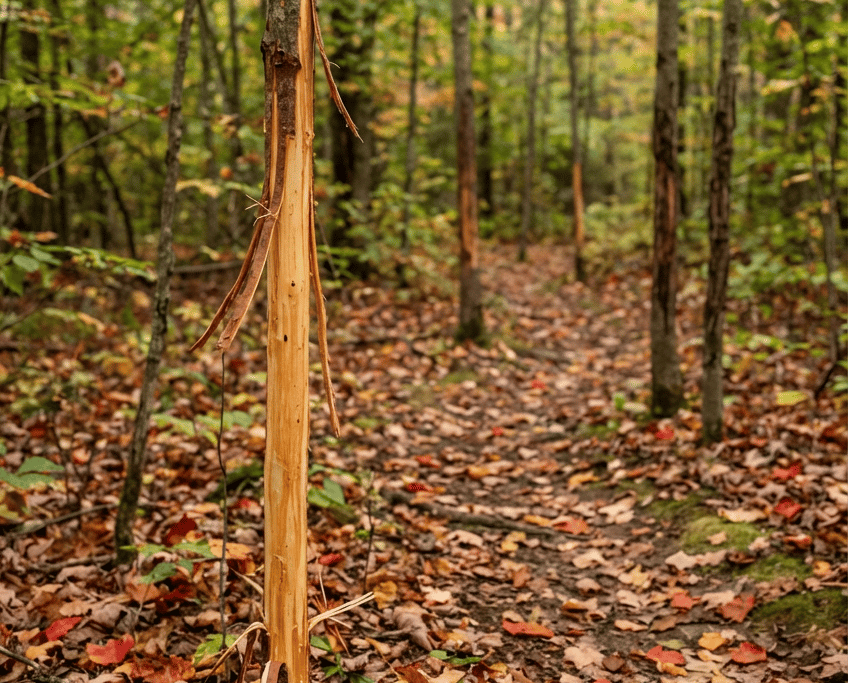
Certain locations consistently attract buck bedding across different habitats. Leeward ridges—those on the downwind side of a hill—are classic bedding spots because they provide both wind advantage and elevation. Thick brush, CRP fields, and overgrown cuts offer dense cover that bucks rely on for concealment. Points that overlook terrain, such as ridge tips or knobs, give bucks a panoramic view and easy escape routes. In marshy or swampy environments, small dry islands surrounded by water or cattails become prime bedding because they’re difficult for predators to access.
When you learn to identify these bedding characteristics, you begin to understand how bucks use the landscape. Bedding areas aren’t just resting spots—they’re the anchor points of a buck’s entire daily routine.
Identifying buck beds is one of the most valuable skills a hunter can develop, because bedding locations reveal how mature bucks use the landscape and where they feel safest. A true buck bed often appears as a single, oval‑shaped depression pressed into leaves, grass, or soil. This indentation shows where a deer has laid repeatedly, sometimes for days or even weeks at a time. Around the bed, you may find subtle but meaningful clues—flattened vegetation, shed hair, or the faint outline of a body shape that matches a large deer. These details help confirm that the bed belongs to a buck rather than a doe group.
Rubs near the bed are another strong indicator. Mature bucks frequently mark the area around their bedding sites by rubbing nearby saplings or small trees. These rubs serve as territorial markers and communication posts, but they also reveal how the buck enters and exits the bed. When rubs appear on multiple sides of a bedding area, they often correspond with the buck’s preferred escape routes. Those escape trails—usually narrow, well‑worn paths leading into thick cover—are a defining feature of buck bedding. A mature buck rarely commits to a bed unless he has at least two or three quick exit options.
Wind advantage is a key part of buck bedding strategy. Bucks often position themselves so the wind hits their back while they face downhill or toward open terrain. This allows them to smell danger approaching from behind while watching and listening for threats in front. When you find a bed that’s clearly aligned with prevailing winds and paired with strong visual cover, you’re likely looking at a mature buck’s chosen spot.
Doe bedding areas, by contrast, look very different. Instead of a single, isolated bed, you’ll usually find multiple beds grouped together—sometimes five, ten, or more—because does bed in family groups. These areas tend to have more open visibility, allowing does to keep track of their fawns and communicate easily. They’re also often closer to food sources, since does prioritize energy conservation and feeding efficiency.
Mature buck bedding is almost always solitary. Older bucks prefer isolation, security, and strategic positioning over convenience. When you learn to recognize the difference between a lone, strategically placed buck bed and a cluster of doe beds, you gain a clearer understanding of how deer use the terrain—and where your best opportunities lie.
Scouting bedding areas without ruining them is one of the most delicate parts of deer hunting. Bedding is the heart of a buck’s daily routine, and once he feels unsafe there, he may shift his core area entirely. That’s why your approach needs to be intentional, strategic, and low‑impact. The goal is to gather information without tipping off the deer that you were ever there.
The safest time to dive into bedding areas is post‑season. After the rut winds down and hunting pressure disappears, bucks are far more tolerant of disturbance. This window—late winter through early spring—lets you walk right into bedding cover, study trails, identify beds, and map out terrain features without risking your upcoming season. Old rubs, historical beds, and travel routes are still visible, and you can learn a tremendous amount about how deer used the area during the fall.
During the season, however, you need to be far more cautious. Walking directly through bedding areas is one of the fastest ways to push a mature buck out of his core range. Even a single intrusion can cause him to shift beds or go nocturnal. Instead of marching in, rely on observation from a distance. Glassing from a ridge, watching from a field edge, or using trail cameras placed on the fringes of bedding cover can give you the intel you need without stepping foot inside. The less the deer know about your presence, the better your odds.
When it comes time to hunt, the key is positioning yourself near bedding—not inside it. Mature bucks rarely tolerate human scent or noise in their sanctuary, but they will move predictably on the edges as they transition to feeding areas or check doe bedding. Setting up on exit trails, staging areas, or terrain funnels just outside the bedding zone allows you to capitalize on daylight movement without blowing the whole area apart. By respecting bedding as a no‑go zone during the season, you preserve its value and keep bucks comfortable and killable.
Mastering low‑impact bedding scouting is what separates casual hunters from consistently successful ones. It’s all about timing, restraint, and reading the landscape without leaving a trace.
Deer trails function like the hidden highways of the woods, revealing how deer move through their environment day after day. Some trails are so heavily used that they look like worn‑down footpaths, while others are faint, subtle lines that only show up if you know what to look for. Major trails are the obvious ones—wide, clearly beaten down, and used frequently by does, fawns, and younger bucks. These are the everyday travel routes that connect bedding to feeding areas and serve as the main arteries of deer movement. Because so many deer use them, they’re easy to spot and often tempting places to set up.
Minor trails, however, tell a different story. These narrow, lightly pressed paths are less defined and often tucked into thicker cover or just off the main route. Mature bucks rely on these subtle trails when traveling during daylight because they offer more security and less exposure. A big buck may parallel a major trail by 20–50 yards, using a faint side path that keeps him in cover while still allowing him to monitor the main movement of the herd. These minor trails are easy to overlook, but they’re often the key to understanding how older bucks navigate pressure.
The real magic happens when trails intersect with natural terrain features that funnel deer movement. Funnels, saddles, creek crossings, fence gaps, and terrain edges all act as pinch points—places where deer are naturally squeezed into predictable paths. When a trail, especially a minor buck trail, runs through one of these features, it becomes a high‑odds location for a stand or blind. Deer instinctively choose the path of least resistance, and these terrain features guide their movement without them even realizing it.
For hunters, identifying where trails meet these pinch points is one of the most effective ways to set up on daylight deer. A major trail might show you where the herd travels, but a minor trail cutting through a saddle or skirting a creek crossing is often where a mature buck will slip through. By learning to read both the obvious and the subtle trails—and understanding how terrain shapes movement—you can position yourself in the exact places where deer are most likely to pass within shooting range.
Putting all the pieces together is where scouting truly becomes powerful. One isolated sign—a lone track, a single rub, a scrape off by itself—doesn’t tell you much about deer behavior. It might confirm that a deer passed through at some point, but it doesn’t reveal patterns, timing, or predictability. Mature bucks especially can leave scattered, misleading sign that tempts hunters into setting up in the wrong places. The real insight comes when multiple forms of sign overlap and reinforce one another.
Fresh tracks are often the first clue that deer are using an area recently and consistently. When those tracks lead toward or away from active scrapes, you begin to see communication behavior layered onto movement. Add in a rub line running along the same path, and now you’re looking at a buck’s preferred travel route—one he’s confident enough to use repeatedly. If that route connects to a nearby bedding area, especially one with the characteristics of mature buck bedding, you’ve identified the core of his daily pattern. Defined trails tying all these elements together complete the picture, showing exactly how deer navigate the terrain.
When these signs converge, you’re no longer dealing with random movement—you’re reading a system. You’re seeing how a buck beds, travels, checks does, marks territory, and moves through the landscape under normal conditions. This is the level of understanding that leads to smart, high‑odds hunting decisions. Instead of guessing, you’re interpreting a network of clues that all point to the same conclusion: a buck is living here, moving here, and likely to repeat these behaviors again.
Effective hunting comes from recognizing these patterns and setting up where multiple signs intersect. It’s the difference between hunting sign and hunting systems. When you learn to read the full story the woods are telling, your confidence grows—and so do your chances of encountering a mature buck in daylight.
Conclusion: Let the Woods Tell You Where to Hunt
The woods are full of information—subtle, scattered, and easy to overlook unless you know how to read it. Every track, scrape, rub, bed, and trail is a piece of a larger puzzle that reveals how deer move, where they feel safe, and when they’re most likely to be on their feet. Hunters who learn to interpret these clues stop relying on luck and start relying on patterns. Tracks tell you direction and timing, showing not just where a deer went but how recently. Scrapes highlight buck activity and communication, offering insight into dominance, breeding readiness, and travel routes. Bedding areas reveal where deer anchor their daily routines, giving you a window into their security and comfort. Trails tie everything together, showing the paths deer trust most.
When you shift from wandering the woods to intentionally reading fresh, meaningful sign, your entire approach changes. You begin to see the landscape the way deer see it—through the lens of safety, efficiency, and instinct. Instead of guessing where to sit, you make informed decisions based on real, current behavior. That’s when your odds of encountering a mature buck rise dramatically.
The woods are always talking. Every ridge, thicket, and clearing holds a story. The more fluent you become in the language of deer sign, the more clearly those stories guide your hunts. All you have to do is slow down, pay attention, and listen.
Contact
Questions? Tactical tips? Reach out anytime.
hello@biologistonbucks.com
© 2025. All rights reserved.
Attention on Deck — Image Disclaimer
The deer images on this site are a mix of AI-generated imagery and real photos taken by me personally in the field and deer woods of the Southern United States. I'm a wildlife biologist and a hunter, not a photographer. Much like the Navy taught me, you use the best available asset for the mission. A camera and a whitetail buck operate on completely different schedules, and unlike the Marines, I'm smart enough not to fight a battle I can't win.
When you see a photo tagged "Field Image" — that one's the real deal, straight from the woods. The rest are AI-generated and proud of it. Either way, the science is real, the strategies are real, and the deer in every photo represent exactly what we're all out there chasing every fall.
Hooyah. Carry on.